Western Cowhide Aztec Bow Tumbler Wrap Review
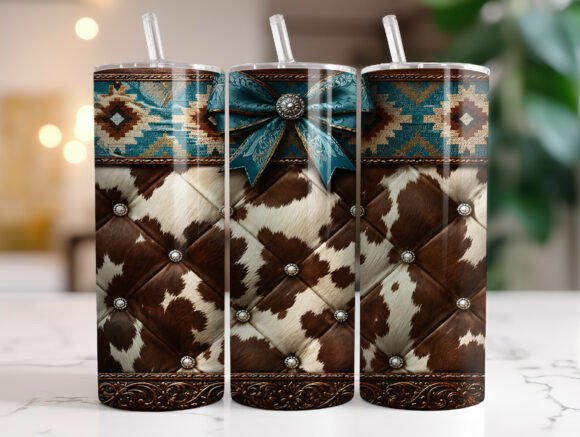
As a designer who spends more time staring at stitch maps than most people care to admit, I approach every new embroidery file with a mix of curiosity and skepticism. When I first pulled up the Western Cowhide Aztec Bow Tumbler Wrap, my initial reaction was that this wasn't just another generic graphic; it felt like a statement piece waiting to happen. The blend of rugged cowhide textures with geometric Aztec patterns and a soft bow creates a visual tension that is surprisingly harmonious. It screams "boutique chic" while maintaining a grounded, rustic appeal. For those of us running small shops or managing craft business inventories, finding a design that bridges the gap between trendy and timeless is the holy grail.
First Impressions: Texture Meets Geometry
The layout of this design immediately catches the eye. The cowhide element brings an organic, irregular flow that contrasts beautifully with the sharp, structured lines of the Aztec motifs. Adding the bow softens the overall look, making it versatile enough for both masculine and feminine applications depending on your thread choices. In terms of visual personality, this digital embroidery file feels confident. It doesn't try too hard. It sits comfortably in that sweet spot where western wear meets modern boho aesthetics.
However, as an experienced reviewer, I have to look past the pretty preview image. The real test is how this translates from a screen to a finished product. The high resolution mentioned in the file details (300 DPI) suggests crisp edges, which is crucial when you are dealing with intricate patterns like Aztec geometrics. If those lines blur during stitching, the whole design loses its impact. The size, listed at 9.3″ x 8.2″, indicates a substantial footprint. This isn't a subtle chest logo; this is a feature presentation.
Real-World Application: Beyond the Tumbler
While the product title and category label this under Tumbler Wraps and Graphics, my mind immediately went to physical substrates. Yes, these PNG files are perfect for sublimation on 20oz skinny tumblers, but let's talk about where this really shines for an embroiderer. Imagine applying this aesthetic to a heavy canvas tote bag design. The cowhide pattern would look incredible stitched in varying shades of brown and tan thread against a natural canvas background.
I recently envisioned a project for a local boutique client who wanted a line of custom apparel for the fall season. A oversized sweatshirt featuring this motif on the back would be a bestseller. The sweatshirt embroidery would need careful planning regarding stitch density. Because the design covers a large area, using a standard fill stitch throughout could make the garment stiff and uncomfortable. I would recommend breaking up the solid areas with running stitches or leaving negative space to maintain the drape of the fabric.
Another strong contender for this design is an embroidered patch. The distinct shapes of the bow and the geometric borders lend themselves well to a merrowed edge patch that could be ironed onto denim jackets or hats. For holiday embroidery gifts, imagine this stitched onto a kitchen towel or an apron for a hostess gift. It feels personal, handmade, and distinctly stylish without being overly seasonal, giving it a long shelf life in your product catalog.
Technical Considerations for Stitching
Before you hoop up your machine, there are practical hurdles to clear. Since this is provided as a high-resolution PNG, it is technically a graphic file intended for printing or sublimation, not a native machine embroidery design file like PES or DST. This is a critical distinction. To use this for embroidery, you must digitize it first or use software to convert the graphic into stitches. This gives you control, but it also places the responsibility of stitch density and underlay on you.
If you are converting this graphic, pay close attention to the small details in the Aztec sections. Tiny, intricate corners can easily get lost if the thread colors don't have enough contrast or if the stitch count is too low. I always advise testing the design on scrap fabric first. Specifically, test it on the actual material you plan to sell. A design that looks sharp on cotton might sink into a fluffy towel or pucker on a stretchy t-shirt.
Speaking of fabrics, fabric texture plays a huge role here. The cowhide pattern relies on irregular shapes. If you stitch this on a textured fabric like a waffle knit or a coarse linen, the pattern might fight with the weave of the cloth. Smooth, tightly woven fabrics will yield the cleanest results. Also, consider the hoop size. At over 9 inches wide, you will need a large hoop or the ability to do a multi-step stitch-out if you are working with smaller machines. Always confirm your machine's maximum hoop capability before committing to a project.
Color Strategy and Visual Appeal
The beauty of having the source graphic is the freedom to choose your palette. While the default might suggest earth tones, do not be afraid to experiment. A monochromatic scheme using different shades of blue could turn this into a sophisticated baby embroidery piece for a nursery blanket. Conversely, high-contrast black and white could create a striking modern look for a printable mockup or a bold statement tee.
When selecting thread colors, think about the end user. For a personalized gift, softer, muted tones often feel more premium. For commercial embroidery aimed at a younger demographic, vibrant, saturated colors might drive more engagement. Always check how your design looks in black and white mockups first. If the design holds up without color, it means your contrast and shape definition are strong. This is a good litmus test for whether the design assets will translate well across different marketing materials.
Business Viability and Customer Trust
For Etsy sellers and handmade shop owners, the perceived value of a product is tied directly to its execution. A sloppy stitch job on a complex design like this can erode customer trust instantly. However, when done right, the Western Cowhide Aztec Bow Tumbler Wrap aesthetic elevates a simple item into a boutique treasure. It signals to the buyer that thought and skill went into the creation.
Consistency is key for brand building. If you decide to make this a staple in your small shop product lineup, ensure that every item, whether it's a cap, a pillow cover, or a tote, maintains the same level of quality. Use proper stabilizer to prevent shifting, especially on curved surfaces like caps or stretchy fabrics. Remember, customers might wash these items frequently. A well-stabilized design ensures longevity, which leads to repeat business and positive reviews.
Final Verdict for Designers
The Western Cowhide Aztec Bow Tumbler Wrap is a versatile graphic with immense potential for creative entrepreneurs. It offers a rich visual narrative that fits perfectly into the current trend of western-boho fusion. However, it demands respect in the production phase. Do not treat it as a plug-and-play solution without considering the nuances of digitizing, fabric selection, and stabilizer choice.
Before selling finished items or digital products based on this, always confirm licensing terms. The file includes straight and tapered PNGs, which is great for sublimation, but for embroidery, the heavy lifting of conversion is yours. Check the file details thoroughly. If you are prepared to put in the technical work, this design can be a standout addition to your portfolio, enhancing your handmade product offerings and delighting customers looking for something unique and well-crafted.