Bass Fishing 20oz Tumbler Wrap PNG: A Designer's Review
As a designer who spends more time staring at stitch maps than most people spend watching TV, I approach every new digital embroidery file with a healthy dose of skepticism. We have all been there: you buy a design that looks crisp on the screen, only to find it turns into a bird's nest of thread once it hits the hoop. So, when I recently evaluated the Bass Fishing 20oz Tumbler Wrap PNG, my goal wasn't just to admire the artwork. I wanted to know if this graphic could actually translate into a viable machine embroidery design for real-world client projects.
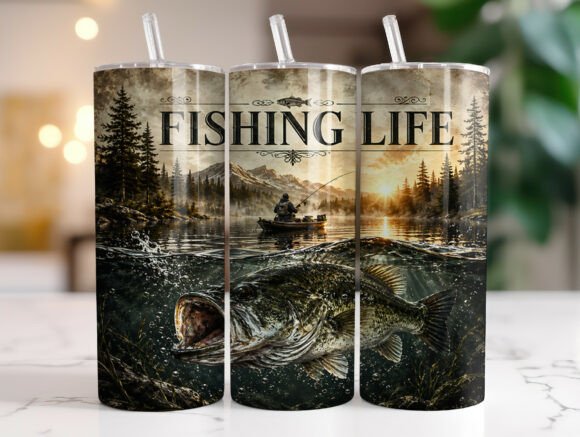
The product listing describes this as a high-resolution PNG set, including both straight and tapered versions specifically sized for 20oz skinny tumblers. While the primary marketing angle is clearly sublimation or UV printing for Tumbler Wraps, my mind immediately went to the needle and thread. Can a graphic intended for a curved cup work on fabric? The short answer is yes, but it requires a specific strategy. This isn't a plug-and-play embroidery file right out of the folder; it is a raw asset that demands a designer's touch to become a finished product.
First Impressions: Mood and Layout
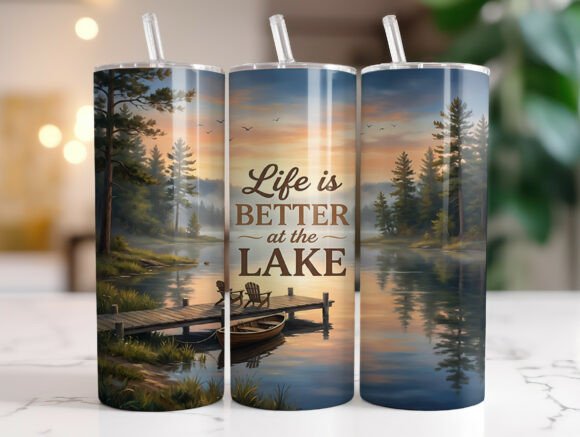
Opening the file, the first thing that strikes me is the composition. At 9.3 inches by 8.2 inches, the scale is substantial. For a tumbler, this makes perfect sense, wrapping around the circumference with room to breathe. However, for an embroidery project, this size presents both opportunities and challenges. The theme is unmistakably outdoorsy and rugged, capturing the essence of a quiet morning on the lake. The visual personality is bold, relying on strong silhouettes rather than intricate, tiny details that often get lost in stitching.
The layout feels balanced, which is crucial when you are trying to adapt a wrap-style graphic for a flat surface like a tote bag or a sweatshirt. The "wrap" nature means the edges are designed to meet, but for embroidery, we usually need a defined center or a contained shape. The imagery suggests a lifestyle brand aesthetic—perfect for someone who wants their gear to reflect their passion for fishing without screaming "novelty item." It feels professional enough for a boutique shop product yet friendly enough for a personalized gift.
Adapting the Graphic for Stitch
Here is where the rubber meets the road. Since this is provided as a PNG and not a pre-digitized stitch file, you cannot simply load it into your machine. You must digitize it first. This is actually a benefit for experienced designers because it allows you to control the stitch density and direction. If you were to auto-digitize this entire 9-inch graphic as a solid fill, you would end up with a cardboard-stiff patch that no one would want to wear.
In a recent real-life scenario, I used a similar fishing-themed graphic to create a custom embroidered patch for a local guide service. I took the core elements of the design—the bass and the water texture—and reworked them. Instead of stitching the entire background, I used the negative space of the fabric to represent the water, stitching only the fish and key accent lines. This approach saved thousands of stitches and kept the finished product soft and flexible.
For the Bass Fishing 20oz Tumbler Wrap PNG, I recommend isolating the main subject. If you are making a sweatshirt embroidery piece, consider using an applique design technique. Cut the fish shape from a contrasting fabric and use a tight satin stitch or a decorative running stitch to outline it. This mimics the bold look of the original graphic while adding tactile interest that print-only designs lack. It transforms a simple image into a premium handmade product.
Fabric Considerations and Hoop Challenges
One major factor to consider is the sheer size of this graphic. At over 9 inches wide, it will not fit in a standard 4x4 or even many 5x7 hoops. You will likely need a large hoop or an in-the-hoop repositioning method. If you are working on a cap or a curved surface, this design in its full width is impractical. Caps require smaller, centered motifs. In this case, you would crop the central fish element and scale it down significantly.
Fabric texture also plays a massive role. On a smooth cotton twill for a tote bag design, the details will pop. However, if you attempt this on a textured fleece or a stretchy jersey for baby embroidery, you risk distortion. The long spans of what would be fill stitches in a digitized version could sink into the pile of the fleece. My advice? Use a heavy-duty cutaway stabilizer. Do not skimp here. The weight of the design needs support to prevent puckering, especially since the original graphic is quite dense visually.
Dark fabrics present another hurdle. The original PNG likely assumes a light or clear background for printing. If you stitch this onto a navy blue hoodie, ensure your thread colors have enough contrast. You might need to adjust the color palette entirely, perhaps swapping realistic greens for high-visibility neons or classic golds to ensure the design reads correctly from a distance.
Commercial Viability and Brand Consistency
For Etsy sellers and small shop owners, the value of this asset lies in its versatility. While marketed for tumblers, repurposing it for apparel opens up a whole new revenue stream. Imagine a matching set: a sublimated tumbler and a hat featuring the embroidered version of the same fish. This kind of cross-product consistency builds brand trust and increases the perceived value of your craft business.
However, you must be careful about licensing. Just because you bought the PNG does not automatically grant you the right to sell the digitized embroidery file itself. Usually, you can sell the physical custom apparel or holiday embroidery items you make, but reselling the digital conversion is often prohibited. Always check the specific terms included with your download. Furthermore, when creating printable mockups for your shop, remember that the stitched version will look different than the printed preview. Manage customer expectations by showing photos of actual stitched samples.
Practical Notes for the Studio
Before you commit to a final run for a client order, treat this graphic as a prototype. Here is my checklist for adapting the Bass Fishing 20oz Tumbler Wrap PNG into a stitch-ready project:
- Test on Scraps: Never stitch a new adaptation directly on the final garment. Use scrap fabric of the same weight and texture to test your digitizing settings.
- Check Contrast: View your design in black and white on your computer screen. If the details disappear in grayscale, they will likely get lost in the stitching too.
- Review Density: If you are filling large areas, reduce the stitch density to prevent stiffness and thread breakage.
- Confirm Hoop Size: Measure your available hoop area against the 9.3" width. Plan your repositioning strategy if necessary.
- Inspect Small Details: Tiny scales or fin details might need to be simplified into satin columns or removed entirely to ensure durability after washing.
- Stabilizer Selection: Match your stabilizer to the fabric. Woven items might handle tear-away, but knits and performance fabrics always need cutaway.
In conclusion, the Bass Fishing 20oz Tumbler Wrap PNG is a robust starting point for creative entrepreneurs. It is not a magic button, but rather a high-quality canvas. With thoughtful digitizing, careful fabric selection, and an eye for how thread interacts with light and texture, this graphic can elevate a standard fishing shirt into a heirloom-quality piece. It bridges the gap between digital Graphics and tangible art, proving that with the right skills, a tumbler wrap can become so much more than just a drink accessory.