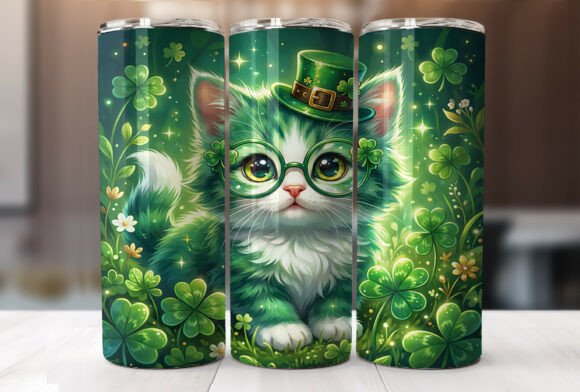
Review: Green Clover Cat St Patricks Day Tumbler Design
As a designer who spends more time at the hoop than away from it, I approach every new digital embroidery file with a mix of curiosity and skepticism. We have all seen those cute holiday graphics that look perfect on a screen but turn into a thread-breaking nightmare once the needle hits the fabric. Today, I am taking a close look at the Green Clover Cat St Patricks Day Tumbler. While the product listing categorizes this under Tumbler Wraps and Graphics, my job is to evaluate its potential as a physical embroidery project for real-world application.
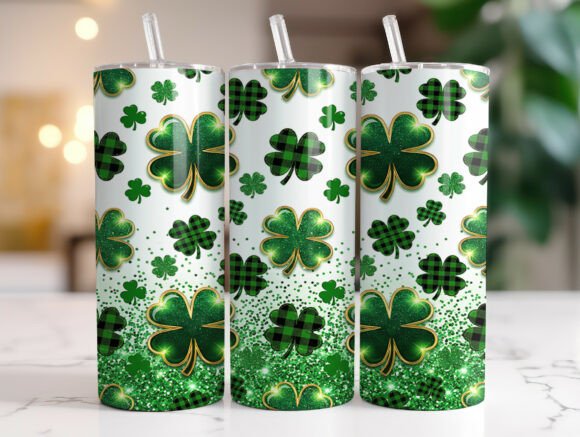
The first thing that strikes me about this design is its visual personality. It captures that specific whimsical mood required for St. Patrick's Day without relying on the same tired leprechaun clichés we see every March. The combination of a feline subject with clover motifs creates an immediate sense of playfulness. For a craft business owner or an Etsy seller, this kind of unique character work is gold. It appeals to cat lovers and holiday celebrants alike, widening your potential customer base beyond just those looking for traditional Irish symbols.
Visual Appeal and Stitching Clarity
When reviewing a design intended for a 20 oz tumbler wrap, the dimensions are critical. This file comes in at 9.3×8.2 inches with a high resolution of 300 DPI. In the world of print, this is excellent. However, for us as embroidery decorators, we have to translate these pixels into stitches. The layout suggests a design that is substantial enough to be the focal point of a garment or accessory.
If you are planning to use this as a machine embroidery design, you will need to consider how the details translate. A graphic this size implies a good amount of detail in the cat's features and the clover textures. In a finished handmade product, clarity is king. If the design relies on tiny, intricate lines, they may get lost if digitized with a low stitch count or inappropriate stitch types. Ideally, the cat's outline should utilize a clean satin stitch for definition, while the larger clover areas could benefit from a textured fill stitch to add depth. The contrast between the green elements and the rest of the design is vital for visibility, especially on darker fabrics.
Real-World Application Scenarios
Let's move beyond the theory and talk about where this design actually shines in a production environment. I recently envisioned using a similar concept for a custom order involving a heavy-weight canvas tote bag design. The sturdy nature of canvas provides the perfect foundation for a design of this scale. Unlike a flimsy t-shirt, a tote bag can support the weight of the stitching without puckering, assuming you use the right stabilizer.
Another strong contender for this artwork is sweatshirt embroidery. Imagine a forest green or heather grey crewneck with this cat design centered on the chest. The seasonal nature of the graphic makes it a perfect limited-run item for a small shop product line. It also works beautifully as a personalized gift. Adding a name in a complementary font below the cat could transform a standard holiday item into a cherished keepsake. For those running a boutique, this could easily become a signature piece for your March collection, distinguishing your brand from big-box retailers.
While the original description highlights its use for tumblers, do not limit your thinking to sublimation or printing. With proper digitization, this graphic could serve as the basis for a high-quality embroidered patch. Patches are incredibly popular right now and offer a versatile way to apply this design to denim jackets, hats, or backpacks without worrying about the stretch of the underlying fabric.
Technical Considerations and Fabric Choices
Here is where experience matters. Just because a graphic looks good does not mean it will stitch out well on every material. If you are working with stretchy fabrics like jersey knits for baby embroidery projects, you must proceed with caution. A design with dense areas or large fill sections can cause the fabric to pucker or distort over time. In these cases, testing on scrap fabric is non-negotiable. You need to verify that your hoop size can accommodate the 9.3-inch width and that your machine can handle the potential stitch density without skipping.
Textured fabrics present another challenge. If you plan to embroider this onto a waffle weave towel or a fuzzy fleece blanket, fine details might get swallowed by the fabric texture. For holiday embroidery on items like kitchen towels, a simpler version of the design with fewer tiny details might be more effective. Additionally, consider the thread colors. The "Green Clover" aspect suggests various shades of green. Ensure you have enough contrast between these shades so the design does not look muddy from a distance. Testing the design in black and white mockups before stitching can help you judge the value contrast independent of color.
Curved surfaces, such as caps, require special attention. While the design is sized for a tumbler, adapting it for a structured cap means dealing with a much smaller, curved canvas. You may need to resize the artwork significantly, which could compromise the integrity of small details like the cat's whiskers or the veins in the clovers. Always check if the design holds up when scaled down.
Business Value and Professionalism
From a commercial standpoint, the quality of your design assets directly impacts customer trust. A crisp, well-executed finished product tells the buyer that you care about quality. Conversely, a design that frays, gaps, or distorts can damage your reputation as an apparel decorator. The Green Clover Cat St Patricks Day Tumbler has the potential to elevate your brand consistency if handled correctly. It offers a cohesive theme that can be applied across various products, from aprons to pillow covers, creating a recognizable look for your spring inventory.
For commercial embroidery projects, efficiency is also key. If you are digitizing this from the provided PNG, pay close attention to the stitch paths. Minimizing jumps and trims will save you time and thread, increasing your profit margin on each unit. Remember, time is money in a production setting.
Final Designer Notes
Before you commit to a full production run, keep these practical steps in mind:
- Test First: Always stitch a sample on the exact fabric you intend to sell. What works on cotton might fail on polyester.
- Check Licensing: Since this is sold as a digital file for tumbler wraps, confirm the license terms before selling embroidered versions. Ensure you have the rights to use the graphic for commercial embroidery and not just print-on-demand.
- Stabilizer Selection: Match your stabilizer to your fabric. Cut-away stabilizer is often best for stretchy garments to prevent long-term distortion.
- Detail Inspection: Zoom in on the digital file. Are there isolated pixels or tiny lines that will be impossible to stitch? Clean up the artwork before digitizing.
- Wash Testing: If the final product needs frequent washing, ensure the stitch density and thread type can withstand laundering without fading or unraveling.
In conclusion, the Green Clover Cat St Patricks Day Tumbler offers a charming aesthetic that, with the right technical approach, can be transformed from a simple graphic into a standout embroidery file asset. Whether you are creating a one-off personalized gift or stocking your Etsy shop for the holiday rush, the key lies in respecting the limitations of the medium while leveraging the design's inherent charm. By paying attention to fabric choice, stitch technique, and licensing, you can turn this digital download into a tangible success for your creative business.