Gothic Pink Glitter Skull Rose Tumbler Review
As a designer who spends more time staring at stitch maps than most people care to admit, I approach every new machine embroidery design with a mix of excitement and skepticism. We've all been there: you buy a stunning graphic online, only to find out it translates poorly into thread, losing its soul in the conversion from pixel to stitch. Today, I'm breaking down the Gothic Pink Glitter Skull Rose Tumbler. While the product listing categorizes this under Tumbler Wraps and Graphics, my job is to look past the sublimation potential and evaluate its viability for real-world embroidery projects. Can this edgy, glitter-infused aesthetic survive the needle? Let's dive in.
First Impressions: Mood and Visual Personality
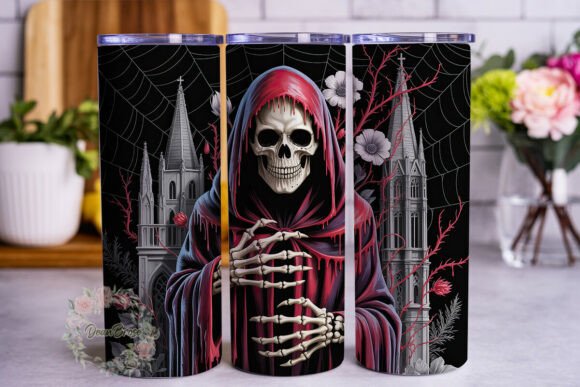
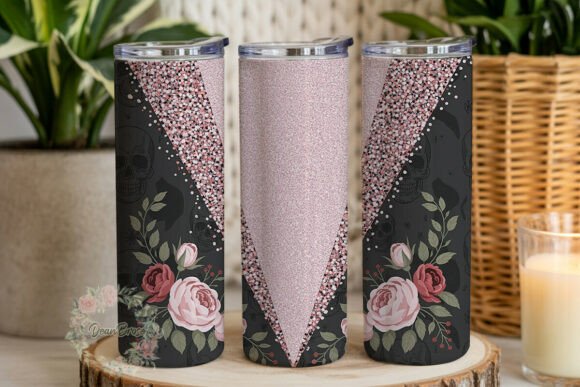
The moment you pull up the preview for the Gothic Pink Glitter Skull Rose Tumbler, the mood is unmistakable. It strikes a perfect balance between macabre and sweet, a "pastel goth" vibe that has been dominating social media trends for seasons. The layout features a central skull motif intertwined with roses, rendered in a way that suggests texture and depth. Even though the source files are high-resolution PNGs intended for printing, the lines are clean enough to visualize how they would translate into an embroidery file.
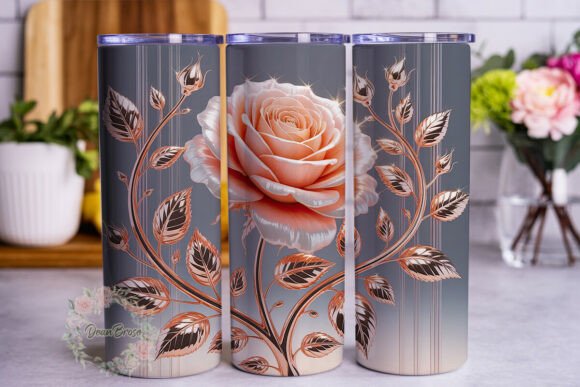
The color palette is the star here. The contrast between the deep, shadowy tones of the skull and the vibrant, soft pinks of the roses creates immediate visual interest. For an embroiderer, this signals a project that requires careful thread colors selection. You aren't just stitching a shape; you are trying to capture a feeling. The "glitter" aspect mentioned in the title is a graphic effect, but in embroidery, we can mimic this sparkle using metallic threads or specific satin stitch angles that catch the light. This design feels native to modern streetwear, boutique accessories, and personalized gifts for clients who want something with a bit of attitude.
Real-World Application: From Screen to Stitch
Let's move beyond theory and talk about a actual scenario. Imagine a client comes to your craft business requesting a custom sweatshirt embroidery piece for a fall music festival. They want something unique, not the standard floral monogram. This is where the Gothic Pink Glitter Skull Rose Tumbler concept shines. If you were to adapt this graphic into a digitized format, it would look incredible on a black or charcoal grey hoodie. The pink roses would pop against the dark fabric texture, creating a high-end, custom look that justifies a premium price point.
Alternatively, consider the tote bag design market. Canvas bags are sturdy enough to handle dense stitching. A version of this design, perhaps simplified for an applique design approach where the skull is a fabric patch sewn onto the bag, could be a bestseller for an Etsy seller. The key is recognizing that while the original product is a wrap, the artistic elements are versatile. Whether it's a holiday embroidery gift for a teenager or a signature logo for a alternative fashion brand, the core imagery holds up. It speaks to a demographic that values individuality, making it a strong candidate for commercial embroidery ventures.
Navigating Technical Challenges
However, enthusiasm must be tempered with technical reality. Translating a complex graphic like this into a finished product requires foresight. One major consideration is stitch density. The original graphic likely has smooth gradients and fine details. In embroidery, trying to replicate every single petal detail of the roses with fill stitch can lead to a stiff, puckered mess, especially on stretchy fabrics like t-shirts.
If you are planning to use this motif on a cap or a curved surface, you need to be extremely careful. Curved surfaces distort designs, and intricate corners—like the spaces between the skull teeth or rose petals—can become tangled nests of thread if the digitizing isn't perfect. For thin fabrics, such as those used in baby embroidery (though this theme might be too mature for infants, the fabric constraint remains relevant for lightweight apparel), the weight of the design could cause sagging. In these cases, a robust stabilizer is non-negotiable. I always recommend testing on scrap fabric first. See how the machine handles the transition from the dense skull areas to the lighter rose outlines.
Furthermore, the "glitter" effect cannot be literally stitched unless you are using specialty threads. If you rely solely on standard rayon or polyester, you might lose some of the magic unless you employ clever shading techniques. A running stitch outline might be too weak for the skull's definition, so a combination of satin borders and textured fills would likely be necessary to maintain the design's integrity after multiple washes.
Enhancing Brand Value and Customer Trust
Why does any of this matter? Because the quality of your handmade product directly impacts your reputation. Using a well-thought-out design like the Gothic Pink Glitter Skull Rose Tumbler as inspiration shows your customers that you understand current trends. It elevates your small shop product from generic to curated. When a customer receives a personalized gift that features crisp, clear stitching and a trendy aesthetic, their trust in your brand grows. They are more likely to return for future custom apparel needs or recommend you to friends.
For those selling digital embroidery file assets, analyzing popular graphics like this helps you understand what the market wants. If you can create a digitized version that captures the essence of this graphic while optimizing it for various hoop size constraints, you create a valuable asset for other makers. Just remember, the original purchase includes PNG files for straight and tapered tumblers, not an embroidery file. You cannot simply load this PNG into your machine. You must either digitize it yourself or hire a professional digitizer to convert the artwork into a stitch-ready format.
Final Verdict and Designer Notes
The Gothic Pink Glitter Skull Rose Tumbler is a visually striking graphic with immense potential for adaptation into the embroidery world. Its strength lies in its bold theme and balanced composition. However, success depends entirely on execution. Before committing to a large batch of embroidered patch orders or pillow cover runs, take these practical steps:
- Verify Licensing: The product description notes these are graphics for tumblers. Confirm with the creator if you have the right to use the imagery for commercial embroidery products or if it is for personal use only.
- Test Contrast: Create black and white mockups to ensure the design reads well without relying on color alone. This helps identify areas that might merge together when stitched.
- Check Details: Inspect the smallest elements. If the rose thorns or skull details are too tiny, they may need to be simplified or removed for smaller hoop applications.
- Fabric Matching: Always test on the actual fabric you intend to sell. A design that looks great on cotton might disappear into the nap of fleece.
In conclusion, while this product is sold as a graphic for Tumbler Wraps, its artistic DNA is perfectly suited for the discerning embroiderer willing to put in the preparation work. With the right digitizing strategy and material choices, it can become a standout piece in your portfolio, bridging the gap between digital art and tactile craftsmanship.