Bubblegum Goose 20 OZ Tumbler Wrap: A Designer's Take
As someone who spends most of their day staring at stitch maps, color palettes, and fabric swatches, I approach every new digital embroidery file with a critical eye. It is not just about whether an image looks cute on a screen; it is about how that design translates into thread, how it sits on a textured surface, and whether it holds up under the scrutiny of a paying customer. Recently, I took a close look at the Bubblegum Goose 20 OZ Tumbler Wrap. While the product listing categorizes this as a sublimation graphic for tumbler wraps, my mind immediately went to its potential adaptation for machine embroidery design projects. There is a distinct charm in the "coquette" aesthetic—those soft bows, playful typography, and whimsical characters—that resonates deeply with current market trends, but translating a high-resolution PNG meant for printing into a stitched reality requires careful consideration.
First Impressions and Visual Personality
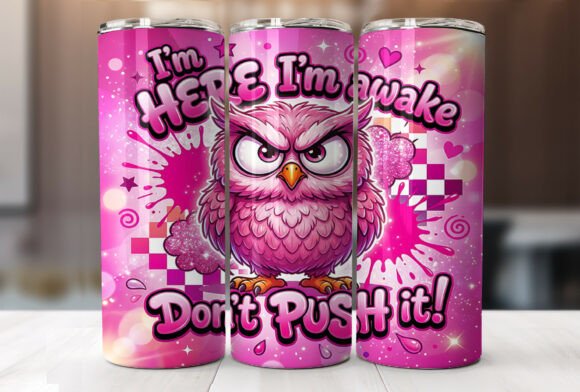
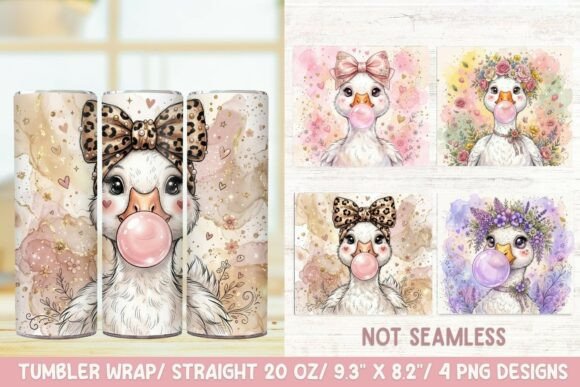
The first thing that strikes you about the Bubblegum Goose 20 OZ Tumbler Wrap is its mood. It is undeniably sweet, leaning heavily into the pastel, girly, and nostalgic vibe that dominates social media right now. The layout features a central goose character adorned with bubblegum pink accents and coquette-style bows. For an embroiderer, the visual personality suggests a project that needs delicate handling. The lines appear clean in the 300 DPI preview, which is a good sign, but when we talk about moving from a printed Graphics file to an embroidery project, we have to think about line weight.
In a real-world scenario, imagine you are preparing a custom order for a boutique client who wants a matching set of nursery decor. They love the goose motif but want it on a plush baby blanket rather than a steel tumbler. The soft curves of the goose and the flowing ribbons of the bows would translate beautifully into satin stitch work. However, the success of this translation depends entirely on how well the details are simplified. A sublimation design can hold infinite detail; embroidery cannot. If you were to digitize this or find an embroidered version, you would need to ensure those tiny bow loops don't become a tangled mess of thread.
Real-Life Application Scenarios
Let's get practical. Where does a design like this actually shine in a craft business? I envision this working exceptionally well on items that mimic the smooth, vertical canvas of a tumbler but offer more tactile warmth. Think of a tote bag design for a teacher's gift or a sweatshirt embroidery piece for a sorority event. The vertical orientation of the original 9.3 x 8.2 inch layout fits perfectly down the leg of a pair of sweatpants or across the chest of a cropped hoodie.
Consider a holiday gift scenario. You are making personalized aprons for a bridal shower. The Bubblegum Goose 20 OZ Tumbler Wrap theme could be adapted into an applique design where the goose is cut from felt and stitched down, with the bows added as ribbon accents. This hybrid approach honors the original graphic's style while leveraging the strengths of embroidery. For an Etsy seller, offering this as a handmade product on a kitchen towel or a pillow cover adds significant value compared to a standard printed item. Customers are willing to pay a premium for the texture and durability of thread, provided the execution is flawless.
Navigating Technical Challenges
However, we must address the limitations. The original file is a PNG intended for Tumbler Wraps, meaning it is raster-based. If you are planning to use this strictly as a reference for digitizing your own embroidery file, you have full control. But if you are looking for a ready-to-stitch file, you must verify the format. The product note explicitly states, "This design is not an SVG," which implies it is not a vector cut file or an embroidery source file. This is a crucial distinction. You cannot load a PNG directly into most embroidery machines without prior digitization.
If you proceed with digitizing this for custom apparel, pay close attention to stitch density. The bubblegum pink areas might tempt you to use dense fill stitch, but on stretchy fabrics like jersey knits used for baby clothes, too much density will cause puckering. On dark fabrics, you will need to plan your underlay carefully to prevent the background from showing through the lighter thread colors. Additionally, small details like the goose's eyes or the intricate folds in the bows require a sharp needle and high-quality thread to maintain clarity. A running stitch might be better suited for outlining the finer elements rather than trying to fill them completely.
Enhancing Brand Value and Customer Trust
Using a trendy design like the Bubblegum Goose 20 OZ Tumbler Wrap can significantly boost your brand's visual appeal if done correctly. It signals that your small shop product line is current and aware of pop culture trends. When a customer sees a well-executed embroidered version of a popular graphic, it builds trust. They see that you didn't just slap a print on a shirt; you invested time in creating a durable, textured finished product. This level of professionalism encourages repeat business and higher engagement on platforms like Instagram or TikTok, where the tactile nature of embroidery performs well in video content.
For those creating printable mockup assets to sell alongside physical goods, adapting this theme into an embroidered context offers a unique selling point. Instead of showing the same sublimation wrap everyone else has, you can showcase a "deluxe" embroidered patch version. This differentiation is key for standing out in a saturated market of design assets.
Practical Notes for the Maker
Before you commit to stitching this design on a client's expensive garment, here are my professional recommendations:
- Test on Scrap Fabric: Always stitch a sample on the same material you intend to use for the final product. Check how the fabric reacts to the tension.
- Check Thread Contrast: Ensure your bubblegum pinks pop against the fabric color. If using white thread on a light pastel background, the design may get lost.
- Review Stitch Density: If digitizing, keep densities lower for stretchy fabrics to maintain comfort and prevent distortion.
- Confirm Hoop Size: Ensure your machine's hoop can accommodate the height of the design, especially if placing it vertically on a sleeve or pant leg.
- Inspect Small Details: Tiny text or intricate bow knots may need to be enlarged or simplified to stitch cleanly.
- Use Proper Stabilizer: A cut-away stabilizer is often best for garments that will be washed frequently, ensuring the design doesn't sag over time.
- Verify Licensing: Since the original is a sublimation graphic, confirm with the creator if you have the rights to adapt it for commercial embroidery sales. Do not assume a sublimation license covers physical stitched goods.
In conclusion, while the Bubblegum Goose 20 OZ Tumbler Wrap starts as a digital graphic for drinkware, its aesthetic potential for the embroidery world is vast. With thoughtful adaptation, attention to technical details like stabilizer choice and stitch types, and a clear understanding of licensing, this design can become a standout piece in your commercial embroidery portfolio. It is a reminder that great designs are versatile, waiting for a creative maker to bring them to life in thread.